

LABORATORY EQUIPMENTS & SUNDRIES
- Home /
- LABORATORY EQUIPMENTS & SUNDRIES
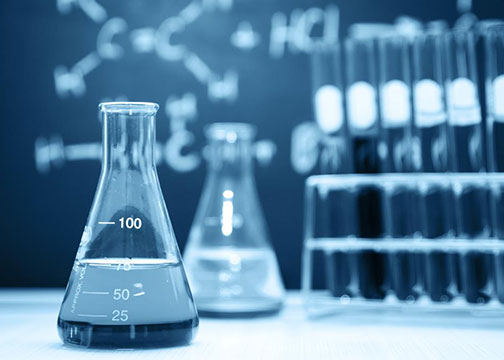
We supply tools, instruments, and accessories used in various laboratory settings for scientific research, experiments, and testing. These items are essential for conducting accurate experiments and ensuring safety in the lab environment. Here’s a breakdown of common laboratory equipment and sundries:
1. Glassware
- Beakers: Used for mixing, heating, or stirring liquids.
- Flasks: Including Erlenmeyer flasks for heating liquids or measuring volumes, and round-bottom flasks for more specialized heating.
- Test Tubes: Small cylindrical glass tubes for holding liquids during experiments.
- Pipettes: For transferring small volumes of liquids accurately.
- Burettes: For dispensing precise amounts of liquid in titrations.
- Graduated Cylinders: Used for measuring liquid volumes accurately.
- Glass Stir Rods: To stir solutions.
2. Plasticware
- Plastic Beakers: Lighter than glass beakers, used for general purposes.
- Plastic Pipettes and Bottles: For transferring or storing liquids.
- Petri Dishes: Used for growing cultures, typically in microbiology labs.
- Funnels: For transferring liquids or powders into containers with smaller openings.
3. Heating Equipment
- Bunsen Burners: Used for heating substances with an open flame.
- Hot Plates: For heating beakers or other containers without direct flame contact.
- Water Baths: For heating substances in water at a constant temperature.
- Heating Mantles: For safely heating flasks.
4. Measuring Instruments
- Thermometers: Used to measure the temperature of substances.
- pH Meters: Used to measure the acidity or alkalinity of a solution.
- Balances: Precision scales for weighing substances.
- Spectrophotometers: For measuring light absorbance or transmission.
5. Safety Equipment
- Lab Coats: To protect clothing and skin from hazardous chemicals.
- Gloves: Protective gloves, often made from latex, nitrile, or rubber.
- Safety Goggles: To protect eyes from splashes or fumes.
- Fume Hoods: To ventilate harmful fumes and chemicals.
- Fire Extinguishers: For fire safety.
- First Aid Kits: For emergency medical situations.
6. Laboratory Sundries
- Spatulas: Small tools for transferring or scraping solids.
- Scissors and Forceps: Used for cutting and handling small items or specimens.
- Clamps and Stands: To hold apparatus like test tubes or flasks during experiments.
- Tongs: Used for handling hot items or glassware.
- Lab Notebooks: For recording experimental data and notes.
- Rubber Stoppers: For sealing bottles or test tubes.
- Aluminum Foil: Used for covering containers or for sealing.
- Parafilm: A sealing film used to cover containers, especially in microbiology.
7. Specialized Laboratory Equipment
- Centrifuge: For separating substances of different densities.
- Autoclave: For sterilizing equipment using high-pressure steam.
- Microscopes: For examining small specimens.
- Refrigerators and Freezers: For storing sensitive substances at low temperatures.
8. Consumables
- Filter Paper: For separating solids from liquids.
- Cotton Wool: Used in various laboratory tasks like filtering or as padding.
- Lab Tissues/Paper Towels: For cleaning and wiping.
- Tape (Masking/Labeling): For labeling samples and securing objects.
- Gloves (Latex, Nitrile, etc.): For protective handling of chemicals and samples.
9. Cleaning Supplies
- Brushes: For cleaning glassware and instruments.
- Detergents: Specially formulated for cleaning laboratory tools.
- Cleaning Cloths: For wiping down surfaces and equipment.