

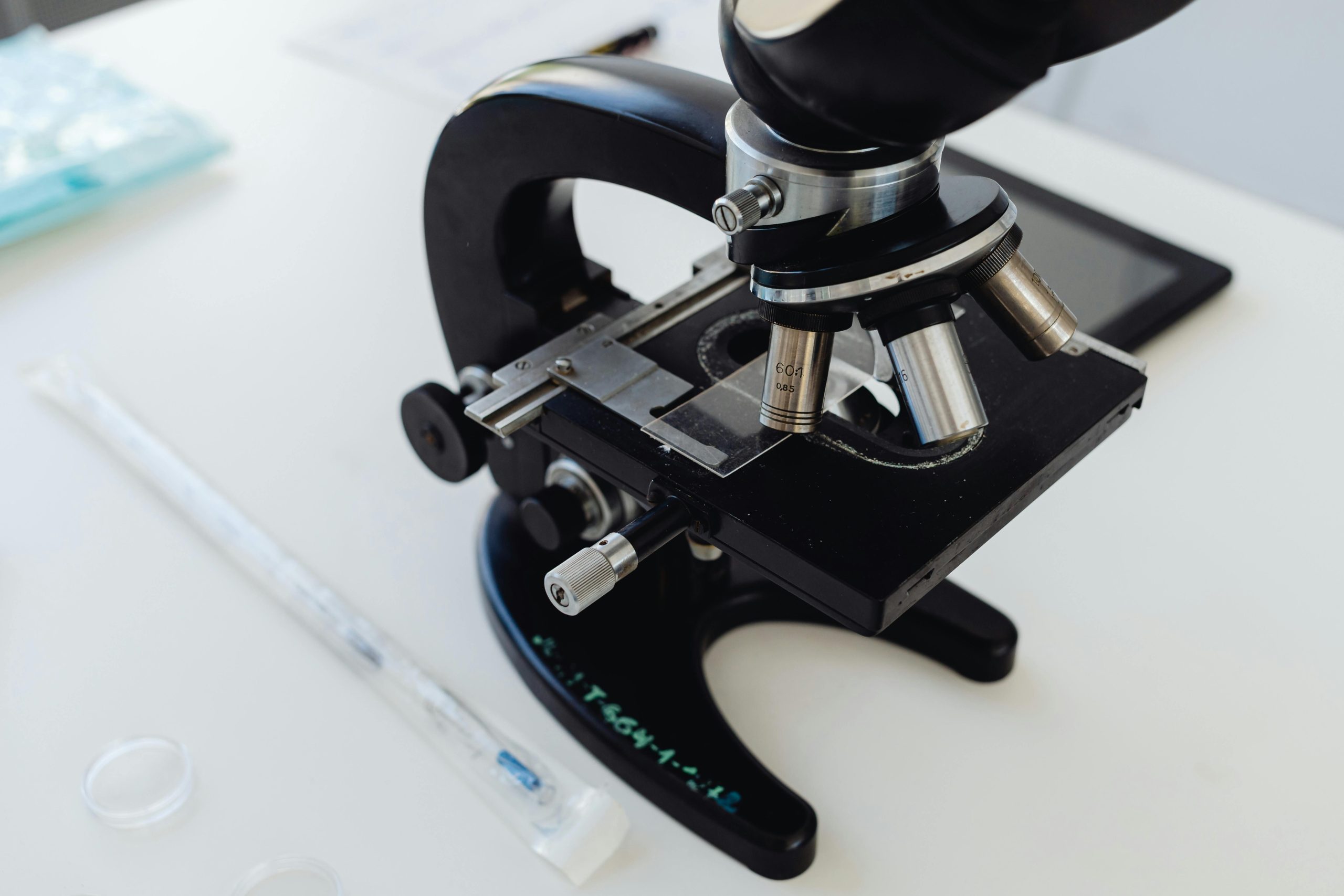
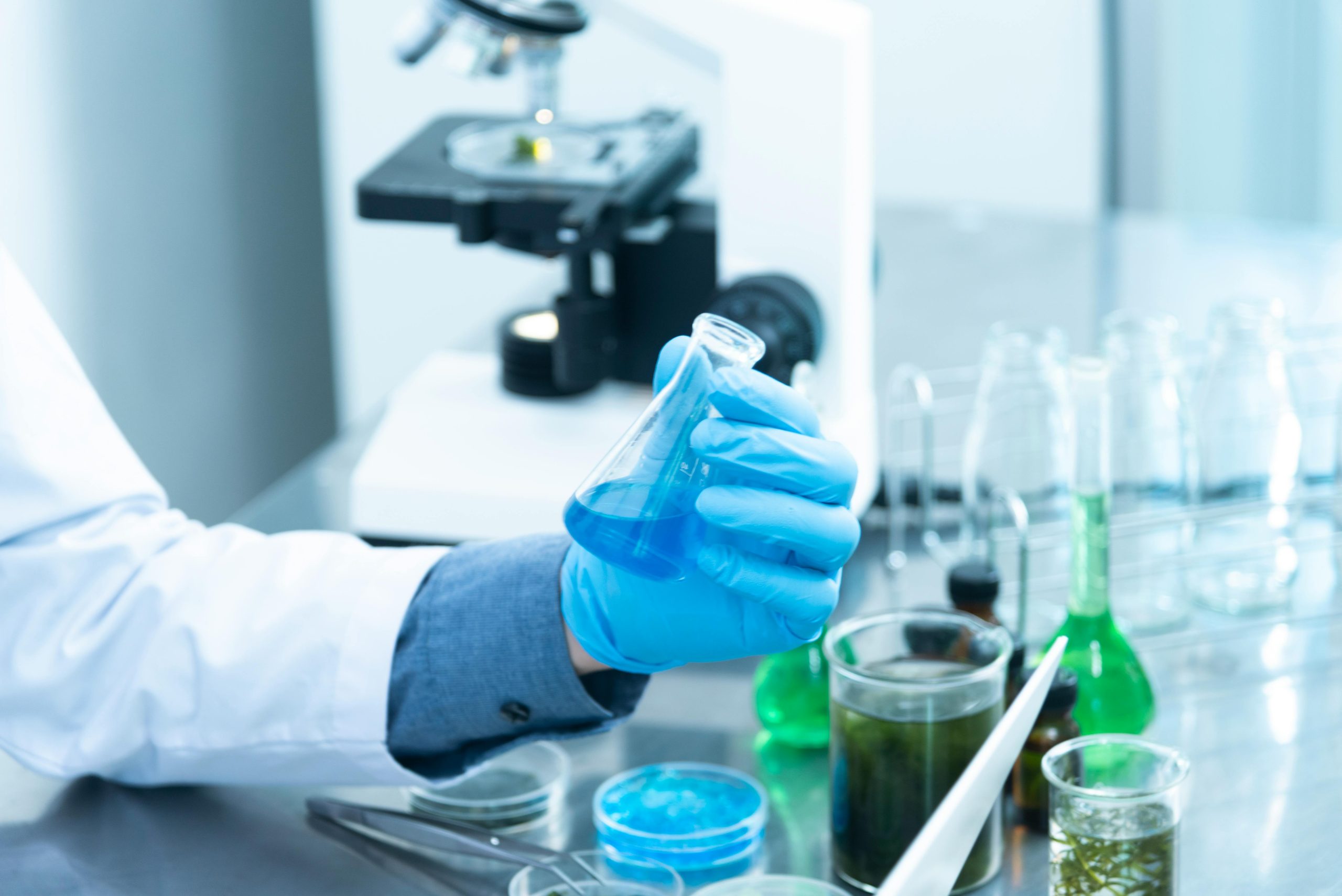
We supply Microbiology equipment for studying microorganisms, including bacteria, viruses, fungi, and protozoa. These tools are used in laboratory research, diagnostic testing, and industrial applications. Below is a list of key microbiology equipment commonly used in research settings, along with brief descriptions of each:
1. Microscopes
- Light Microscope (Compound Microscope): Used for observing stained samples of microorganisms at high magnification (typically 1000x).
- Electron Microscope (TEM/SEM): Allows for very high magnification, up to 1,000,000x. It is used to observe virus particles, bacteria, and cell structures at the ultrastructural level.
- Fluorescence Microscope: Uses ultraviolet light to excite fluorescent dyes attached to specific components of cells, allowing detailed imaging of cellular structures and processes.
- Confocal Microscope: Provides high-resolution imaging of thick specimens by using lasers to focus on specific layers.
2. Incubators
- Bacterial Incubator: A device that maintains an optimal temperature (usually 37°C) for growing bacterial cultures. Incubators are often equipped with adjustable humidity and CO2 control for specialized growth conditions.
- Shaking Incubator: Similar to a standard incubator but with a shaking platform that helps to agitate liquid cultures, promoting aeration and nutrient distribution.
3. Autoclaves
- Steam Sterilizer: Used to sterilize laboratory equipment, media, and other materials using high-pressure steam. This is essential for preventing contamination in microbial experiments.
4. Culture Plates and Media
- Agar Plates: Petri dishes filled with agar media that support the growth of microorganisms. The agar can be selective (for specific types of bacteria) or differential (to distinguish between different microbial species).
- Broth Media: Liquid media used to culture bacteria in suspension. Common broths include nutrient broth, LB broth, and Sabouraud’s dextrose broth.
5. Bunsen Burner
- A small adjustable flame device used to sterilize tools (like inoculating loops), to create sterile environments, or to heat samples in microbiological work. The Bunsen burner is a critical piece of equipment for flame sterilization.
6. Inoculating Loops and Needles
- Inoculating Loop: A metal or plastic loop used to transfer microorganisms onto solid culture media. The loop is usually sterilized in a flame before use.
- Inoculating Needle: Similar to the loop but used for streaking or inoculating in deep agar cultures.
7. Laminar Flow Hoods / Biological Safety Cabinets
- Laminar Flow Hood: Provides a sterile working environment by blowing a constant flow of filtered air to prevent contamination. It is used for working with cultures, media, and sterile instruments.
- Biological Safety Cabinet (BSC): A more advanced containment system that also protects the researcher from pathogens by maintaining a negative airflow to prevent exposure.
8. Centrifuges
- Used to separate components in a sample by spinning it at high speeds. Centrifuges are commonly used for cell separation, protein extraction, and virus purification.
9. Spectrophotometer
- A device used to measure the amount of light absorbed by a sample at different wavelengths. In microbiology, it can be used to estimate bacterial concentration in culture or to quantify proteins or other molecules.
10. pH Meters and Electrodes
- Used to measure the pH of solutions, important for adjusting media or buffers to the correct pH for growing specific microorganisms.
11. Pipettes and Pipettors
- Manual Pipettes: Used for accurately measuring and transferring liquids.
- Automated Pipettors: Motorized devices for high-precision liquid handling. These are used in high-throughput microbiological research and diagnostic labs.
12. Cryopreservation Equipment
- Cryotubes: Small tubes used to store microbial cultures at very low temperatures (often in liquid nitrogen) for long-term preservation.
- Cryogenic Freezer: Used for freezing bacterial cultures, viruses, or other biological samples.
13. PCR (Polymerase Chain Reaction) Machine
- A thermal cycler that amplifies DNA or RNA to detect specific microbial pathogens or genes. PCR is a crucial technique in molecular microbiology for pathogen identification and genetic analysis.
14. Growth Chambers / Environmental Chambers
- CO2 Incubators: Specialized incubators that maintain a controlled level of CO2 to simulate environmental conditions for growing mammalian cells or other organisms.
- Environmental Test Chambers: Used to simulate different environmental conditions (such as humidity, temperature, and light) for microbial growth studies.
15. Microtomes
- Devices used to slice thin sections of biological specimens (such as tissues) for detailed analysis under a microscope. While more common in histology, it can be used in microbiological studies of tissue samples.
16. Sterilization Equipment
- Filtration Systems: Used for sterile filtration of media or liquids to remove microorganisms. Filters of various pore sizes are used for different applications.
- Dry Heat Sterilizer: Uses hot air to sterilize equipment. It’s often used for items that may be damaged by steam or pressure, like glassware.
17. DNA Sequencer
- A high-throughput device used for sequencing the genetic material of organisms, allowing for the identification and characterization of microorganisms at the genomic level.
18. Biosafety Cabinets (Class I, II, III)
- Used to protect lab workers and the environment from harmful microbial pathogens. Class II biosafety cabinets are common in microbiology labs for handling moderate-risk microorganisms.
19. Bioreactors
- Used for large-scale growth of microorganisms, such as bacteria, yeasts, or algae, for the production of biochemicals, pharmaceuticals, or other products.
20. Staining Kits and Reagents
- Reagents such as Gram’s stain, Ziehl-Neelsen stain (for acid-fast bacteria), and Giemsa stain (for protozoa and certain bacteria) are used to differentiate microorganisms based on their staining properties.
21. Colony Counter
- A device used to count the number of microbial colonies grown on agar plates. Automated colony counters use a camera or light to detect and count colonies efficiently.